
Introduction
A Kangal dog price from a reputable breeder in the United States typically falls between $1,000 and $4,000. If you are looking at importing a Kangal directly from Turkey—the breed’s country of origin—expect to pay anywhere from $2,000 to $5,000 or more once you factor in the dog’s purchase price, import paperwork, and shipping costs. Show-quality or working-line Kangals with strong pedigrees from established breeders can push even higher than that.
The wide price range exists because Kangal dogs are not a mass-produced breed. They are relatively rare outside of Turkey, and reputable breeders invest significantly in health testing, proper socialization, and maintaining authentic bloodlines. A $1,500 Kangal from a careful, experienced breeder is almost always a better investment than a $600 Kangal from someone who simply put two large dogs together and called them Kangals. This guide breaks down every cost angle — purchase price, ongoing expenses, country comparisons, and what ownership actually costs long term — so you can make a genuinely informed decision.
Quick Facts: Kangal Dog Breed
| Category | Details |
|---|---|
| Breed Name | Kangal Shepherd Dog (Kangal) |
| Origin | Sivas Province, Turkey |
| Breed Group | Livestock Guardian Dog |
| Height | 28–32 inches (71–81 cm) |
| Weight | 90–145 lbs (41–66 kg) |
| Lifespan | 12–15 years |
| Temperament | Calm, loyal, protective, independent, gentle with family |
| Coat Type | Short to medium, double coat |
| Colors | Fawn/tan with black mask and black ears |
| Bite Force | Strongest of any dog breed (~743 PSI) |
| AKC Status | Foundation Stock Service (not fully recognized) |
| Average Price (USA) | $1,000–$4,000 |
| Import Price | $2,000–$5,000+ |
| Good for First-Time Owners? | No — experienced owners recommended |
What Is a Kangal Dog? Breed Overview
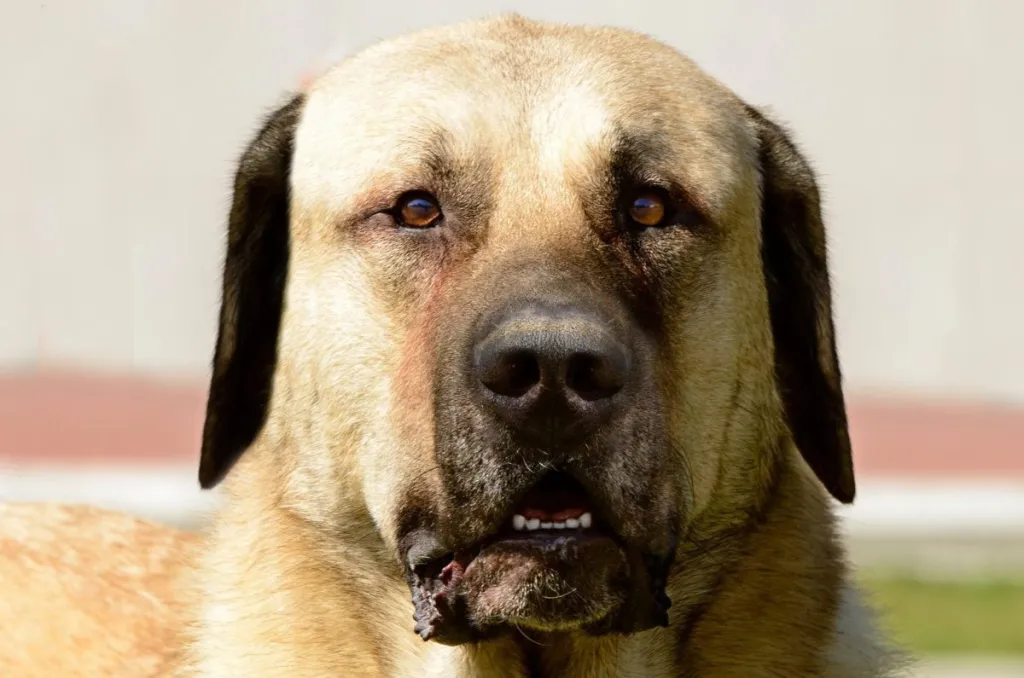
The Kangal is one of the oldest and most impressive livestock guardian breeds in the world. It originates from the Sivas province of Turkey, where it has been used for centuries to protect sheep and goat flocks from wolves, bears, and other predators in the harsh Anatolian highlands.
Turkey takes this breed seriously enough to have declared the Kangal a national treasure. Export of purebred Kangals from Turkey has been restricted at various points — which is part of why authentic Turkish bloodlines command premium prices outside the country.
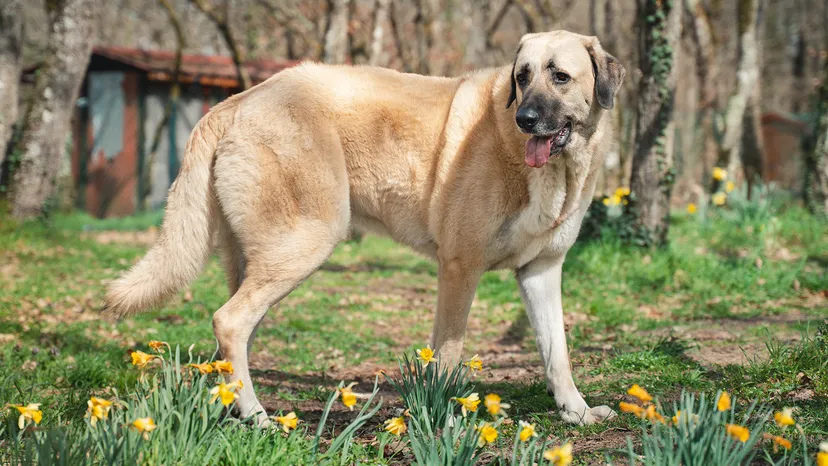
Physically, the Kangal is a large, powerful, and strikingly handsome dog. The signature look is a fawn or tan body with a black facial mask and black-tipped ears — a combination that is instantly recognizable once you have seen it. Males are significantly larger than females, with some males reaching 145 pounds of solid, muscular build.
Despite the size and protective instincts, the Kangal is known for a surprisingly calm and gentle temperament with its family. These dogs are not aggressive by default — they are deliberate. They assess situations, they watch, and they act when they decide action is necessary. With children and animals they have been raised with, they are typically patient and affectionate.
They are independent thinkers, which makes them less eager to please than retriever-type breeds — and more challenging to train for owners who expect instant obedience.
Kangal Dog Price: Full Breakdown
Let’s get into the numbers in detail.
The price you pay for a Kangal depends significantly on what you are buying it for — pet companionship, livestock guarding, show competition, or breeding.
Pet quality Kangals from reputable US breeders typically fall in the $1,000–$2,000 range. These are healthy, well-socialized puppies from tested parents, but they may not have the conformation or bloodline documentation that show or working homes require.
Working quality Kangals — bred specifically for livestock guardian work with proven working parents — tend to run $1,500–$3,000. Farmers and ranchers who need a dog that will actually do the job often pay this range.
Show quality or breeding quality Kangals with documented pedigrees, health clearances, and strong conformation can reach $3,000–$4,000+ from top breeders in the US.
Imported Turkish Kangals represent the top of the price range. Between the dog’s purchase price in Turkey, export documentation, veterinary requirements, and international shipping, total costs commonly land between $2,500 and $6,000 depending on the specific dog and logistics involved.
Kangal Price Range by Category:
| Category | Price Range (USD) |
|---|---|
| Pet quality — US breeder | $1,000–$2,000 |
| Working quality — US breeder | $1,500–$3,000 |
| Show/breeding quality — US breeder | $3,000–$4,500 |
| Imported from Turkey | $2,500–$6,000+ |
| Rescue/adoption | $100–$500 |
| Adult dog from breeder | $800–$2,000 |
Factors That Affect Kangal Dog Price
The price gap between a $1,000 Kangal and a $4,000 Kangal is not random. Several concrete factors drive the difference.
Breeder reputation is probably the single biggest variable. Breeders who have spent years developing their program, health testing breeding stock, and producing consistent quality charge more — and that premium is generally justified.
Bloodline and pedigree matter enormously in this breed. Kangals with documented Turkish ancestry, particularly from specific working lines, are rarer and more valuable. Papers from recognized breed registries add to the price.
Health testing costs breeders money — hip evaluations, eye certifications, genetic panels. Breeders who do this testing properly price it into their puppies. Breeders who skip it offer cheaper puppies that may cost you more in vet bills later.
Location affects price through basic supply and demand. In areas where Kangals are rare, prices tend to be higher. In Turkey, where the breed is common, the base purchase price is lower — but import logistics add cost.
Gender can affect price slightly — intact males from working lines are sometimes priced higher because of their utility as future breeding dogs.
Table: Price Factors Breakdown:
| Factor | Impact on Price |
|---|---|
| Breeder reputation | High — can add $500–$1,500 |
| Pedigree documentation | High — adds significant value |
| Health testing of parents | Moderate-high — adds $200–$600 |
| Import vs domestic | High — import adds $1,000–$2,500 |
| Gender (intact male) | Moderate — sometimes $200–$500 more |
| Age (puppy vs adult) | Moderate — puppies typically cost more |
| Location/region | Moderate — varies by local supply |
| Color/markings | Low — standard coloring is the norm |
Kangal Dog Price by Country
The Kangal dog market looks different depending on where you are in the world.
In Turkey, where the breed originated, Kangals are considerably more common and the base purchase price reflects that — typically the equivalent of $300–$800 USD for a local dog. However, exporting a purebred Kangal from Turkey involves navigating export restrictions, health certificates, and logistics that significantly add to the total cost.
In the United States, the breed is relatively rare and the price reflects that scarcity. Reputable US breeders charge $1,000–$4,000 as outlined above.
In the United Kingdom, Kangals are even rarer than in the US, and prices tend to reflect that — £1,500–£3,500 (approximately $1,900–$4,400 USD) is typical from UK breeders when dogs are available.
In Europe more broadly, prices vary by country but generally fall in the €1,200–€3,500 range depending on bloodline and breeder.
In Australia, strict biosecurity laws make importing dogs expensive and complicated, and the breed is rare enough that prices from Australian breeders can reach AUD $2,500–$5,000 when puppies are available.
Country-by-Country Price Comparison:
| Country | Price Range (Local Currency) | USD Equivalent |
|---|---|---|
| Turkey | ₺10,000–₺25,000 | ~$300–$800 (before export costs) |
| United States | $1,000–$4,500 | $1,000–$4,500 |
| United Kingdom | £1,500–£3,500 | ~$1,900–$4,400 |
| Germany/Europe | €1,200–€3,500 | ~$1,300–$3,800 |
| Australia | AUD $2,500–$5,000 | ~$1,600–$3,200 |
| Canada | CAD $1,500–$4,000 | ~$1,100–$3,000 |
Reputable Breeder vs Backyard Breeder vs Rescue
This is one of the most important sections in this guide — because where you buy your Kangal matters as much as what you pay.
Reputable breeders health test their breeding dogs, carefully select pairings, raise puppies in home environments with proper socialization, provide veterinary care before placement, offer health guarantees, and are available to support you throughout the dog’s life. They ask you questions — because they genuinely care where their puppies go. The price is higher, but what you are buying is a healthier, more stable dog and an ongoing relationship with someone who knows the breed deeply.
Backyard breeders — people who breed dogs casually without proper health testing, breed knowledge, or socialization protocols — often charge less. Sometimes significantly less. The problem is that you have no idea what you are actually getting. Hip dysplasia, temperament issues, and health problems that emerge at age two or three are far more common from these sources. The money you saved upfront can disappear quickly in vet bills.
Red flags to watch for:
- No health testing of parents
- Multiple litters available at once
- Puppies available immediately with no waiting list
- Unwillingness to let you visit the facility
- No contract or health guarantee
- Pressure to buy quickly
Rescue and adoption is a genuinely good option if you are open to an adult dog. Kangals occasionally appear in breed-specific rescues and general shelters. Adoption fees typically run $100–$500 and include basic veterinary care. The trade-off is that you may know less about the dog’s history and early socialization.
Buying Options Comparison:
| Source | Price Range | Health Testing | Support | Risk Level |
|---|---|---|---|---|
| Reputable breeder | $1,000–$4,500 | Yes — comprehensive | High | Low |
| Small hobby breeder | $800–$2,000 | Variable | Moderate | Moderate |
| Backyard breeder | $400–$1,000 | Rarely | Low | High |
| Rescue/adoption | $100–$500 | Basic | Varies | Moderate |
| Import from Turkey | $2,500–$6,000+ | Variable | Low | Moderate-High |
Monthly & Annual Cost of Owning a Kangal
The purchase price is just the beginning. Kangals are large dogs with real ongoing costs that you need to budget for honestly before committing.
Food is the biggest monthly expense. A Kangal eating quality large-breed dry food will consume roughly 50–60 lbs of food per month. Budget $80–$150 per month depending on the brand and whether you supplement with raw food.
Veterinary care for a healthy adult Kangal — annual checkups, vaccines, parasite prevention — runs approximately $300–$600 per year in routine costs. Emergency care or unexpected health issues can add significantly to this.
Grooming is relatively low-maintenance for this breed. The Kangal’s short double coat sheds seasonally but does not require professional grooming. Budget $20–$40 per month for brushes, shampoo, nail trims, and occasional professional baths.
Training is not optional with this breed. A Kangal that is not properly trained and socialized is a significant liability. Professional training classes or a private trainer for the first year can run $500–$2,000 depending on your area and the trainer’s approach.
Fencing is a one-time but significant cost. Kangals are large, strong, and capable of clearing or breaching inadequate fencing. A proper 6-foot perimeter fence for a yard of reasonable size can cost $1,500–$5,000 if you do not already have it.
Annual Cost Breakdown:
| Expense | Monthly Estimate | Annual Estimate |
|---|---|---|
| Food (quality dry kibble) | $80–$150 | $960–$1,800 |
| Routine veterinary care | $30–$50 | $360–$600 |
| Flea/tick/heartworm prevention | $20–$40 | $240–$480 |
| Grooming supplies | $20–$35 | $240–$420 |
| Toys and enrichment | $15–$30 | $180–$360 |
| Pet insurance | $50–$100 | $600–$1,200 |
| Training (year one) | $50–$150 | $600–$1,800 |
| Total Annual Estimate | $3,180–$6,660 |
One-Time Setup Costs
Before your Kangal even comes home, there are setup costs to plan for.
The initial veterinary visit for a new puppy — examination, first vaccinations, deworming, fecal test — typically runs $150–$300. If your puppy has not been microchipped by the breeder, add $40–$60 for that.
Spay or neuter costs $200–$500 depending on your location and the dog’s size. For a large breed like the Kangal, some vets recommend waiting until 18–24 months before spaying or neutering to allow proper physical development — so budget for this but plan the timing carefully.
A quality crate for a large breed costs $80–$200. A proper orthopedic dog bed for a dog this size runs $60–$150. Collar, leash, and ID tags add another $30–$60.
First-Year Cost Estimate:
| One-Time Cost | Estimated Range |
|---|---|
| Initial vet visit + vaccines | $150–$300 |
| Microchipping | $40–$60 |
| Spay/neuter | $200–$500 |
| Crate (large breed) | $80–$200 |
| Dog bed (orthopedic) | $60–$150 |
| Collar, leash, ID tag | $30–$60 |
| Food and water bowls | $20–$50 |
| Initial fencing (if needed) | $1,500–$5,000 |
| First-Year Total (setup + annual) | $5,000–$13,000+ |
That first-year number looks significant — and it is. But spread across a 12–15 year lifespan, the annual cost of owning a Kangal is very manageable for a family that has budgeted properly.
Is a Kangal Dog Legal Where You Live?
Before you buy a Kangal, check your local laws. This is not a formality — it is genuinely important.
Several countries and some municipalities have breed-specific legislation (BSL) that restricts or bans certain large guardian breeds. Kangals are not as commonly targeted as breeds like pit bulls or Rottweilers, but they do appear on restricted breed lists in some jurisdictions.
Belarus and several other Eastern European countries have restrictions on large livestock guardian breeds. Some homeowners associations and apartment complexes in the US restrict dogs over a certain weight — which would exclude the Kangal entirely.
In the United States, BSL is handled at the local level rather than federally, so the rules vary by city and county. Always check with your local animal control office before purchasing.
Known Restrictions by Region:
| Region | Status |
|---|---|
| United States (federal) | No federal restrictions |
| US — varies by city/county | Check local BSL; some weight restrictions apply |
| United Kingdom | Not on Dangerous Dogs Act list; generally permitted |
| Germany | Some states require permits for large guardian breeds |
| Australia | Generally permitted; import restrictions apply |
| Belarus | Restrictions on large guardian breeds |
| Turkey | National heritage breed; no restrictions domestically |
Kangal Dog Health & Lifespan
The Kangal is generally a healthy and hardy breed — centuries of working in demanding conditions have selected for physical robustness. With a lifespan of 12–15 years, it is also notably long-lived for a dog of its size.
That said, no breed is without health considerations.
Hip dysplasia is the most common concern in large breeds, and Kangals are not immune. Reputable breeders screen breeding stock for this condition. A dog with hip dysplasia may need medication or surgery — costs that can run $3,000–$7,000 per hip in serious cases.
Entropion — a condition where the eyelid rolls inward and causes eye irritation — is seen in some Kangals. It is correctable with surgery, typically costing $300–$800.
Bloat (GDV) — gastric dilatation-volvulus — is a risk in deep-chested large breeds including the Kangal. It is a life-threatening emergency that requires immediate veterinary intervention costing $1,500–$7,500. Feeding practices can reduce the risk.
Common Health Issues and Estimated Treatment Costs:
| Health Issue | Prevalence | Estimated Treatment Cost |
|---|---|---|
| Hip dysplasia | Moderate | $3,000–$7,000 per hip |
| Entropion (eye condition) | Low-moderate | $300–$800 |
| Bloat/GDV | Low-moderate | $1,500–$7,500 |
| Obesity | Low (with proper exercise) | Ongoing dietary management |
| Skin allergies | Low | $200–$800 per year |
Pet insurance becomes more compelling when you look at that table. A monthly premium of $50–$100 can protect against the kind of unexpected costs that otherwise devastate a pet budget.
Is a Kangal the Right Dog for You?
This is worth thinking about honestly before you spend $2,000 on a puppy.
Kangals are not apartment dogs. They are large, active, and bred to patrol and protect large areas. A Kangal in a small apartment without adequate exercise and mental stimulation will become anxious and destructive.
They are not ideal for first-time dog owners. The independence that makes them excellent livestock guardians also makes them less responsive to standard obedience training approaches. They need an owner who understands how to work with a thinking, self-directed dog.
They are excellent for rural or suburban families with space, secure fencing, and the experience to manage a large guardian breed. They are particularly well-suited to homes with livestock that need protection.
Kangal Suitability Checklist:
| Factor | Kangal-Friendly? |
|---|---|
| Apartment living | No |
| Small yard | No |
| Large fenced property | Yes |
| Livestock guardian role | Excellent |
| Experienced dog owner | Yes |
| First-time dog owner | Not recommended |
| Families with children | Yes — with proper socialization |
| Hot climates | Moderate — manageable |
| Cold climates | Yes — double coat handles cold well |
| Other pets | Yes — if raised together |
| High-energy play companion | Not primarily |
| Independent thinker tolerance | Required |
How to Find a Reputable Kangal Breeder
Finding a genuinely reputable Kangal breeder takes patience — and that patience is worth it.
Start by looking for breeders who are members of recognized breed organizations. Ask for references from previous puppy buyers. A good breeder will welcome your questions and ask plenty of their own — about your living situation, your experience with large breeds, and your plans for the dog.
Questions to ask any Kangal breeder:
- What health testing have the parents undergone?
- Can I visit the facility and meet the parents?
- What is your socialization protocol for puppies?
- Do you have a waiting list?
- What kind of support do you offer after purchase?
- What contract and health guarantee do you provide?
Expect a waiting list from good breeders. Quality Kangal breeders typically have one or two litters per year at most, and demand from serious buyers means puppies are often spoken for before they are born.
If you are considering importing from Turkey, factor in significant additional complexity — export health certificates, airline-approved crating, potential quarantine requirements depending on your country, and the stress of long-distance travel on a young puppy.
Fun Facts About the Kangal Dog
A few things about this breed that tend to surprise people:
- The Kangal holds the record for the strongest bite force of any domestic dog breed — measured at approximately 743 PSI (pounds per square inch). For context, a lion’s bite force is around 650 PSI. The Kangal’s bite force evolved specifically for confronting wolves and bears.
- Turkey has at various points banned the export of purebred Kangals to protect the breed’s genetic integrity — treating them the way some countries treat national art treasures.
- The Cheetah Conservation Fund in Namibia introduced Kangal dogs to African farmers as a non-lethal way to protect livestock from cheetahs. The program has been remarkably successful — reducing livestock losses and reducing retaliatory killings of cheetahs.
- Despite their imposing size and fierce protective instincts, Kangals are known to be extraordinarily gentle with the animals they protect — including small lambs and young livestock that they have been raised with.
- The distinctive black mask on the Kangal’s face is not just aesthetic — in the field, it makes the dog look more intimidating to predators approaching the flock.
- A Kangal’s bark is famously loud — it is a working tool used to warn predators of the dog’s presence before a confrontation becomes necessary. Neighbors in suburban settings have found this to be a significant adjustment.
Conclusion
So — how much does a Kangal dog cost in 2025? From a reputable US breeder, budget $1,000–$4,000 for a puppy. Importing from Turkey will likely run $2,500–$6,000 total once all costs are included. Adoption from rescue is possible for $100–$500 if you are open to an adult dog.
But the purchase price is genuinely the smallest part of the financial picture. First-year costs including setup, fencing, training, and veterinary care can easily reach $5,000–$13,000. Annual ongoing costs from year two onward typically run $3,000–$6,000 for a properly cared-for Kangal.
Is it worth it? For the right owner — someone with space, experience, patience, and an appreciation for one of the most ancient and capable working dogs ever developed — absolutely. The Kangal is a remarkable animal. Calm enough to sleep with children, fierce enough to face down a wolf, loyal enough to spend its whole life guarding the family it loves.
Just make sure you have the fence. A serious fence. Before the dog comes home.
